Couples Therapy Near Me: What to Look For When Choosing Support

Looking for couples therapy near you and unsure how to choose? The therapist you select matters—research shows that the quality of the therapeutic alliance accounts for meaningful differences in outcomes (Friedlander et al., 2018). Not all therapists who work with couples have specialized training in couples therapy, and that training gap affects results. This guide breaks down what to look for when choosing a couples therapist.
Why Specialized Training in Couples Therapy Matters
Many therapists see couples occasionally, but not all have received formal education and supervised practice in couples therapy methods. That distinction matters.
Individual therapy and couples therapy require different skill sets. Individual therapy focuses on one person's internal experience. Couples therapy addresses relationship patterns, communication dynamics, and how partners influence each other. A therapist skilled in individual work may default to treating each partner separately rather than addressing the relationship system itself.
The Gottman Institute notes that effective couples therapists need both state licensure in their profession and "specialized training and supervision in couples therapy approaches"—training that many otherwise qualified clinicians never receive (Gottman Institute, 2024).
Look for therapists who have completed formal training programs in established couples therapy models and received supervision from certified therapists in that method. Supervision ensures the therapist applies techniques correctly and can handle the unique challenges that arise when working with two people simultaneously.
What Credentials Indicate Couples Therapy Expertise?
Start with state licensure. Therapists must hold an active license in the state where they practice. Common credentials include:
- LCSW (Licensed Clinical Social Worker)
- LMFT (Licensed Marriage and Family Therapist)
- LPC (Licensed Professional Counselor)
- PsyD or PhD (Licensed Psychologist)
Which Therapeutic Approaches Have Research Support?
Evidence-based couples therapy approaches have been studied in controlled trials and shown to produce measurable improvements. The most well-researched include:
Emotionally Focused Therapy (EFT) helps couples identify the emotional patterns driving conflict and builds secure attachment. A 2019 systematic review found that EFT produced large improvements in marital satisfaction (effect size = 2.09), with those improvements sustained at follow-up (Beasley & Ager, 2019).
The Gottman Method draws from decades of observational research on what predicts relationship stability versus divorce. Gottman-trained therapists assess specific interaction patterns, teach communication and conflict management skills, and help couples strengthen friendship and intimacy.
Integrative Behavioral Couples Therapy (IBCT) combines acceptance strategies with active behavior change, helping partners understand differences they can't change while working on problems they can address.
Discernment Counseling serves couples where one partner is leaning toward divorce and the other wants to preserve the relationship. It's a short-term approach (1-5 sessions) focused on gaining clarity about whether to commit to reconciliation, move toward separation, or remain undecided for now.
Ask potential therapists which approach they use and whether they received formal training and certification in that model. A therapist who integrates techniques from multiple approaches without formal training in any may lack the depth needed to help you effectively.
How Does the Therapeutic Alliance Affect Outcomes?
The therapeutic alliance—the quality of the working relationship between therapist and clients—predicts outcomes across all forms of therapy, including couples work.
A meta-analysis of 48 studies found that therapeutic alliance correlated significantly with treatment outcomes, with stronger alliances predicting better results (Friedlander et al., 2018). Interestingly, "split alliances"—where one partner feels connected to the therapist while the other feels less engaged—predicted poorer outcomes. Both partners need to feel heard, respected, and safe with the therapist.
Research also reveals that female partners often report stronger initial alliance with therapists than male partners, though both tend to converge over time (Fang et al., 2023). If one partner feels hesitant early on, that doesn't necessarily mean the fit is wrong—initial discomfort sometimes reflects discomfort with vulnerability rather than a poor therapist match. However, persistent feelings that the therapist sides with one partner, doesn't understand your perspective, or dismisses your concerns warrant discussion or a change in therapists.
What Questions Should You Ask a Potential Therapist?
Before committing to a therapist, ask questions that reveal their training, experience, and approach:
"Did you receive formal education and supervised training in couples therapy?"
This question clarifies whether they completed a structured training program or simply see couples occasionally without specialized preparation.
"What percentage of your practice is couples therapy?"
Therapists who dedicate the majority of their practice to couples work develop expertise that generalists don't. A therapist who sees one or two couples among mostly individual clients may lack the repetition needed to refine couples therapy skills.
"What is your approach?"
This reveals whether they follow an evidence-based model and completed the certification process, which includes supervision and competency assessment.
"What does your assessment process look like?"
Effective couples therapists conduct thorough assessments—often gathering relationship history, identifying patterns, and setting goals before diving into intervention. A therapist who skips assessment may miss critical dynamics.
"How do you handle situations where one partner seems more committed to the relationship than the other?"
This question assesses whether the therapist understands common couples therapy challenges and has strategies for navigating ambivalence.
"What percentage of the couples you work with show improvement?"
While no therapist succeeds with every couple, a pattern of poor outcomes suggests the therapist may lack effectiveness. Most experienced couples therapists see meaningful improvement in the majority of couples who complete treatment.
How Important Is the Therapist's Experience With Your Specific Situation?
General couples therapy skills matter, but some issues benefit from specialized experience.
If you're navigating infidelity, a therapist trained in affair recovery understands the distinct phases of healing and common pitfalls. If you're considering divorce but haven't decided, a therapist trained in discernment counseling provides a structured process for that decision-making rather than pushing toward one outcome.
For LGBTQ+ couples, therapists who lack understanding of relationship dynamics specific to same-sex or queer partnerships may inadvertently apply heteronormative assumptions that don't fit. Ask directly about the therapist's experience with relationships like yours.
If cultural or religious factors shape your relationship, find out whether the therapist understands and respects those contexts. A therapist unfamiliar with your background may misinterpret dynamics or suggest solutions that conflict with your values.
Blended families, couples with significant mental health or substance use concerns, and those navigating chronic illness or disability also benefit from therapists who have worked extensively with those challenges.
What Practical Factors Affect Fit?
Beyond credentials and experience, practical considerations influence whether therapy works for you.
Session length and structure. Most couples therapists offer 50-minute, 75-minute, or 90-minute sessions. Longer sessions allow more time to work through difficult emotions without stopping mid-conflict. Ask what the therapist recommends for your situation.
Availability. Can the therapist accommodate your schedule? Some couples need evening or weekend appointments. Others prefer telehealth because coordinating in-person attendance is difficult. Confirm the therapist offers the format and timing you need before starting.
Cost and insurance. Couples therapy fees vary widely. Some therapists accept insurance; others require out-of-pocket payment and provide superbills for out-of-network reimbursement. Clarify costs upfront, including whether the therapist offers sliding scale fees if affordability is a concern.
Location and format. In-person therapy works best for some couples; others prefer the flexibility of telehealth. During initial contact, confirm whether the therapist is licensed to provide telehealth in your state if that's your preferred format.
How Do You Know If the Fit Is Right?
The fit isn't always immediately obvious. Give therapy a few sessions before deciding whether it's working.
Both partners should feel the therapist hears their perspective without taking sides. You should notice that the therapist intervenes when conversations become unproductive, helps you understand patterns rather than just venting, and provides concrete tools or strategies rather than only listening.
Warning signs of poor fit include:
- One partner consistently feels blamed or dismissed
- The therapist shares personal relationship stories excessively, shifting focus away from your relationship
- Sessions end with both partners more frustrated than when they arrived, without any sense of progress or insight
- The therapist pushes you toward a particular outcome (divorce or staying together) rather than helping you clarify what's best for your situation
- You've attended multiple sessions but can't identify any concrete skills you've learned or changes you've practiced
If several sessions in you're questioning the fit, discuss it directly with the therapist. Sometimes adjusting the approach resolves the issue. Other times, switching therapists is the right move. Effective therapists won't take offense—they understand that fit matters and will often help you find a better match.
When Should You Commit to a Course of Treatment?
Research suggests that couples who remain in therapy demonstrate stronger long-term improvements than those who drop out after a few sessions. The Gottman Institute recommends committing to 8-10 sessions before evaluating whether therapy is helping.
Early sessions focus on assessment, building alliance, and teaching foundational skills. Meaningful change—shifts in how you communicate, increased emotional connection, and new conflict patterns—takes time to develop and stabilize.
If you've already recognized signs it might be time for couples counseling, taking the step to find a qualified therapist is progress. The couples who benefit most from therapy are those who commit to the process, practice skills between sessions, and give the work time to yield results.
Finding Couples Therapy in Alpharetta, GA
If you're looking for couples therapy in the Alpharetta area or throughout Georgia, finding a therapist with specialized training, proven approaches, and a strong track record matters.
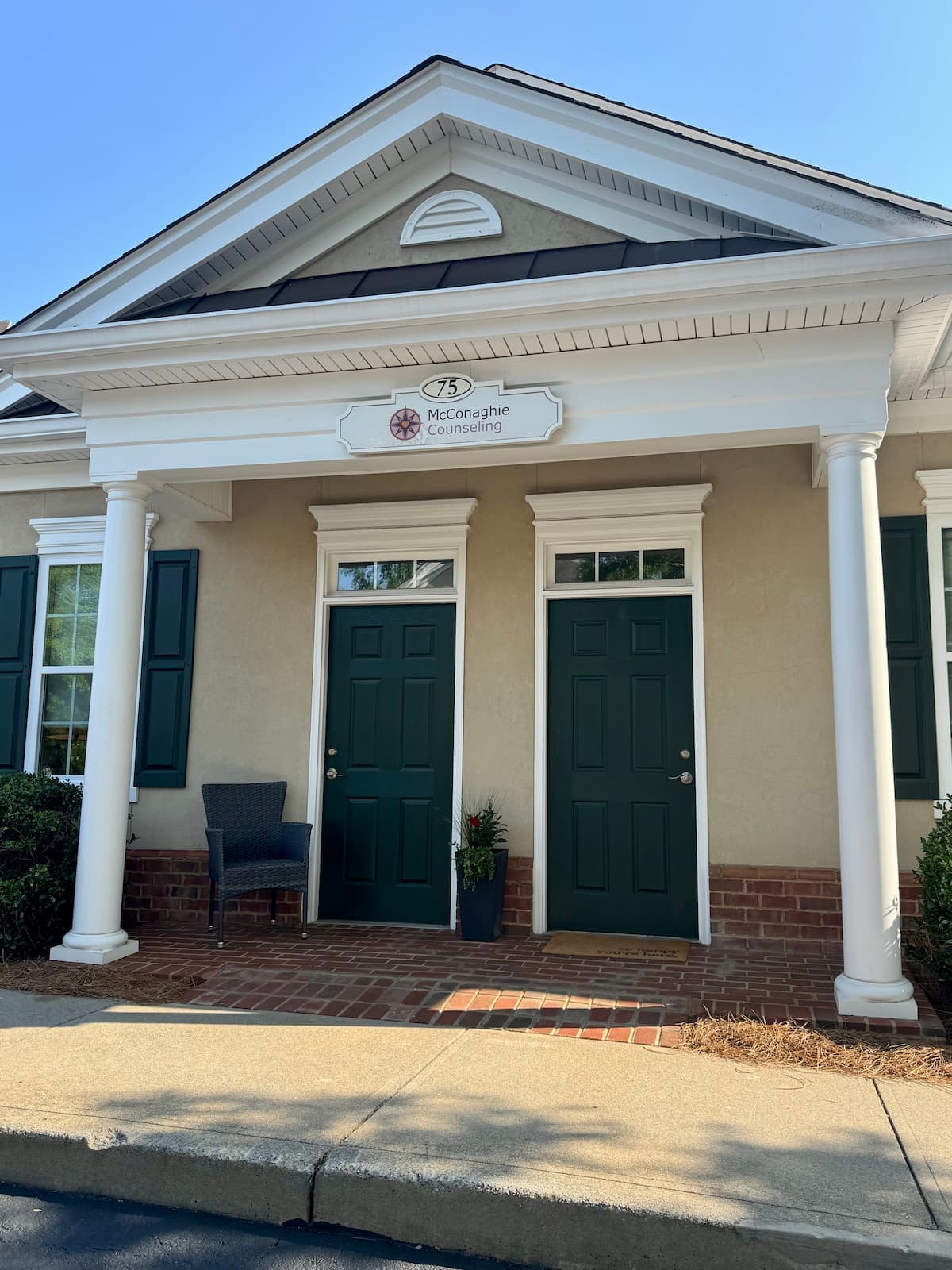
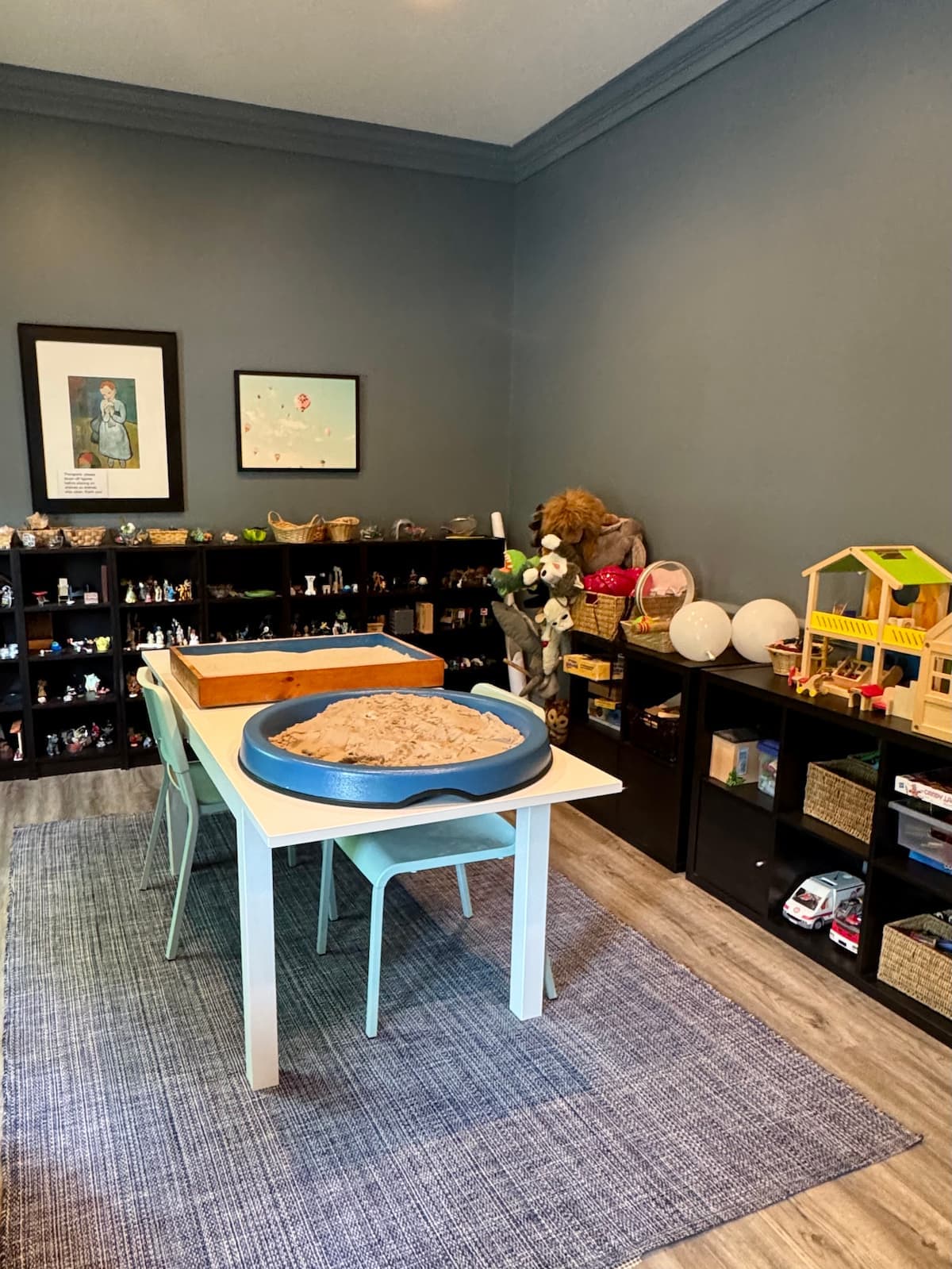
McConaghie Counseling offers in-person couples counseling in Alpharetta, GA and telehealth throughout Georgia. The practice's couples therapists use evidence-based approaches including the Gottman Method, Emotionally Focused Therapy, and Imago Relationship Therapy. Founders Andrew McConaghie, LCSW and Tracy McConaghie, LCSW, RPT/S lead a team that specializes in helping couples improve communication, rebuild connection, and navigate challenges ranging from everyday conflict to infidelity and decisions about separation.
To schedule a consultation, visit mcconaghiecounseling.com/contact or call 770-645-8933.
References
Beasley, C. C., & Ager, R. (2019). Emotionally Focused Couples Therapy: A Systematic Review of Its Effectiveness over the past 19 Years. Journal of Evidence Based Social Work, 16(2), 144–159. https://pubmed.ncbi.nlm.nih.gov/30605013/
Fang, M., Morgan, P., Yzaguirre, M. M., Tseng, C.-F., & Wittenborn, A. K. (2023). The therapeutic alliance in couple therapy: Patterns by treatment and sex in a randomized controlled trial of emotionally focused therapy and treatment as usual. Family Process, 62(4), 1423–1438. https://pubmed.ncbi.nlm.nih.gov/37400271/
Friedlander, M. L., Escudero, V., Welmers-van de Poll, M. J., & Heatherington, L. (2018). Meta-analysis of the alliance-outcome relation in couple and family therapy. Psychotherapy (Chic), 55(4), 356–371. https://pubmed.ncbi.nlm.nih.gov/30335450/
Gottman Institute. (2024). How to find a couples therapist who can actually help you. https://www.gottman.com/blog/how-to-find-a-couples-therapist-who-can-actually-help-you/