Signs of Depression in Teenage Boys: Recognizing Withdrawal and Hidden Symptoms
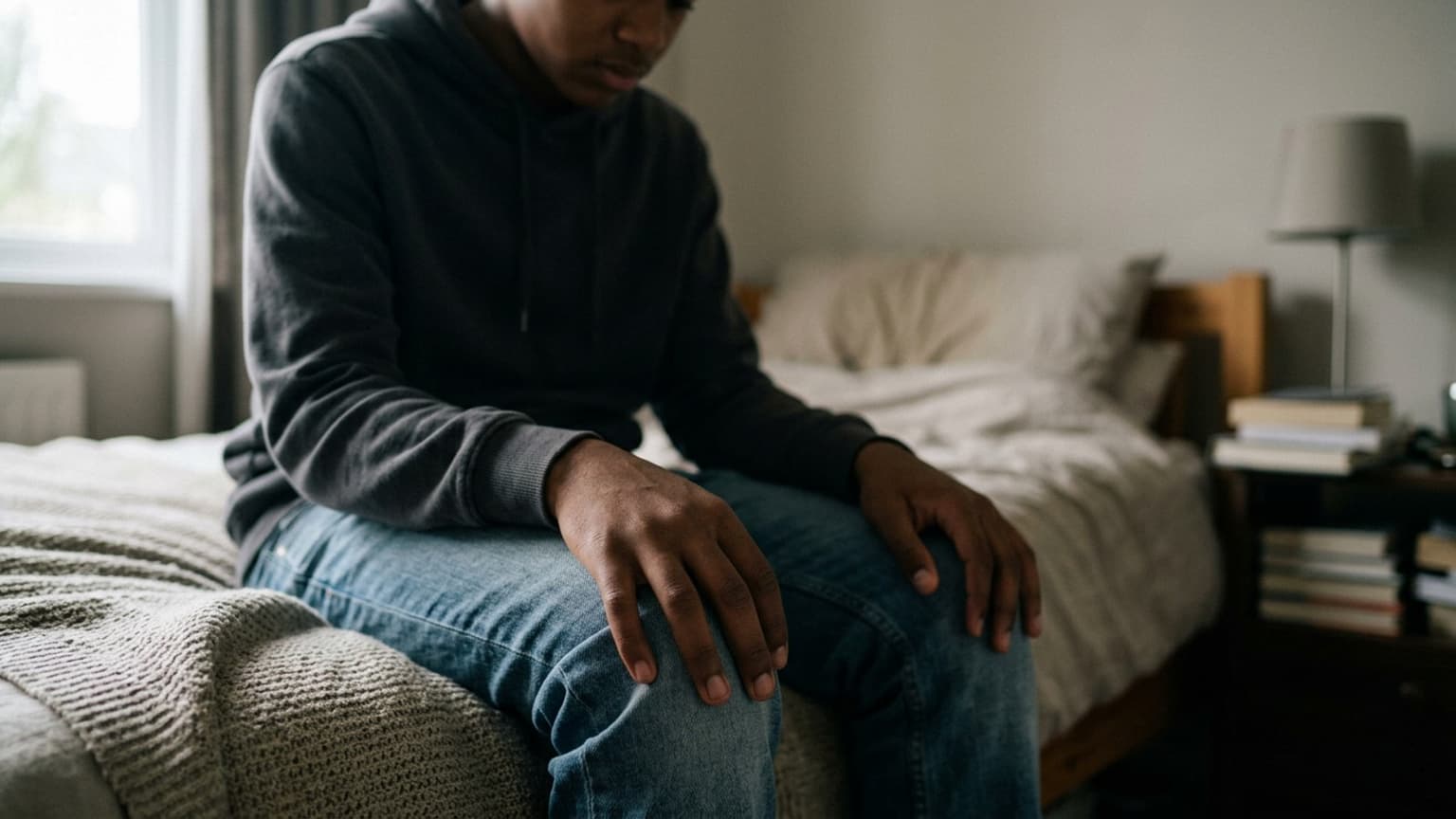
Depression in teenage boys frequently goes unrecognized because the symptoms don't match what most parents expect. While 11.5% of adolescent males experience major depressive episodes—compared to 29.2% of females—boys are significantly less likely to be identified, diagnosed, or treated (NIMH, 2021). The gap isn't in prevalence; it's in recognition. Depression in boys presents differently, and understanding these differences is essential for early intervention.
Teenage boys with depression typically don't cry or express overt sadness. Instead, they withdraw to their rooms, respond with irritability or anger, and disconnect from activities they once enjoyed. These behaviors often get dismissed as typical teenage moodiness—until weeks or months pass and the pattern intensifies. Recognizing how depression specifically manifests in adolescent males can mean the difference between timely treatment and prolonged suffering.
Why Depression Looks Different in Boys
Gender plays a meaningful role in how depression symptoms emerge. Research consistently demonstrates that adolescent girls report higher rates of sadness, guilt, and internalizing symptoms, while boys more commonly express depression through irritability, anger, and behavioral problems (Fallahi Khesht-Masjedi et al., 2017).
Irritability is not merely a secondary symptom in adolescent depression—it functions as a cardinal diagnostic criterion specific to youth. Unlike adult depression, where low mood and anhedonia dominate, adolescent depression frequently centers on an increased proneness to anger or frustration (Stringaris et al., 2013). A 2023 study of adolescents with depression found that boys showed significantly higher levels of social and verbal aggression and anger rumination compared to girls (Ruchkin et al., 2023).
Socialization amplifies these differences. From early childhood, many boys internalize messages—explicit or implicit—that sadness signals weakness and that "real" strength means suppressing vulnerability. When emotional pain arises, boys often lack the vocabulary to name it. That pain emerges sideways: as hostility, risk-taking, or withdrawal.
This creates a diagnostic blind spot. Parents, educators, and even healthcare providers trained to identify tearfulness and sadness may overlook depression when those hallmark symptoms don't appear—even as a boy suffers intensely.
Withdrawal as a Red Flag
Withdrawal ranks among the most common—and most overlooked—signs of depression in teenage boys. Unlike overt sadness that prompts immediate concern, withdrawal can masquerade as a boy simply "wanting space" or exhibiting "normal teenage behavior."
A depressed boy spends increasing time alone in his room. He stops initiating plans with friends, declines invitations to activities he previously enjoyed, and gradually disengages from family life. Conversations shrink—one-word responses replace the stories he used to share. Participation in sports, clubs, or hobbies that once held meaning fades, often accompanied by vague explanations like "I'm just not into it anymore."
The critical distinction between developmentally appropriate privacy and depression-driven withdrawal lies in duration, intensity, and functional impact. Brief periods of solitude are normal. Sustained isolation spanning weeks or months—particularly when accompanied by declining academic performance, sleep or appetite changes, or expressions of hopelessness—signals a deeper problem requiring professional evaluation.
Irritability and Anger: Depression's Mask
While girls with depression typically exhibit sadness, boys are more likely to display persistent irritability and anger. A teenage boy with depression may seem perpetually annoyed, quick to snap at family members, or prone to outbursts disproportionate to the triggering situation.
This presentation confounds many parents. Anger doesn't align with conventional depression imagery, leading to disciplinary responses rather than mental health support. However, persistent irritability in a teenage boy—especially when it represents a departure from his baseline temperament—often constitutes depression wearing a different face.
The research is definitive: anger rumination—repetitively dwelling on angry thoughts—correlates directly with depression in adolescent males (Ruchkin et al., 2023). Boys may not verbalize sadness, but they're experiencing profound emotional distress. That distress manifests as frustration, hostility, and a consistently short fuse.
If a typically even-tempered boy becomes chronically irritable, or if his anger escalates without proportionate cause, depression warrants serious consideration as an underlying explanation.
How Stigma Blocks Help-Seeking
Even when teenage boys recognize their struggles, stigma frequently prevents them from seeking or accepting help. Research reveals a troubling pattern: young men are notably reluctant to seek professional help for mental health problems, with stigma and embarrassment consistently identified as leading barriers (Gulliver et al., 2010).
This stigma begins early. By adolescence, many boys have internalized beliefs that admitting emotional difficulties equates to weakness or failure. They worry about peer judgment, fear disappointing parents who expect them to be "strong," or believe they should independently solve their problems. Males are more likely than females to endorse stigmatizing views about male depression and to report they would feel embarrassed about seeking help.
The consequences are severe. Boys are less likely to disclose depressive symptoms to friends or family, less likely to pursue therapy, and more likely to allow depression to worsen untreated. Male suicide rates are three times higher than female rates—a statistic reflecting, in significant part, how frequently male depression goes unrecognized and untreated (Oliffe et al., 2016).
Parents can actively counter this stigma by normalizing mental health conversations, explicitly framing help-seeking as evidence of strength rather than weakness, and modeling vulnerability. Communicate clearly that depression is a medical condition—not a character defect—and that effective treatment exists.
Physical and Academic Warning Signs
Depression manifests physically, and these symptoms may be more visible than emotional ones in teenage boys. Watch for persistent changes in sleep patterns—either excessive sleep or insomnia. Appetite changes are common: some depressed teens lose interest in food and experience weight loss, while others eat substantially more and gain weight rapidly.
Many depressed boys report constant fatigue, describing themselves as exhausted regardless of sleep duration. Physical complaints such as headaches, stomachaches, or unexplained pain that don't respond to standard treatments can also signal underlying depression.
Academic performance frequently declines when depression is present. Concentration becomes difficult, motivation disappears, and grades drop. Teachers may report that a student seems distracted or disengaged during class. This academic decline doesn't reflect laziness or reduced intelligence—it's a symptom of depression's cognitive impact.
Starting the Conversation
Initiating a conversation about depression with a teenage boy requires careful approach. Avoid accusatory language or confrontational framing. Instead, use specific, nonjudgmental observations: "I've noticed you've been spending more time alone lately, and you seem frustrated more often. I'm concerned and wanted to check in with you."
Listen without immediately offering solutions or minimizing his experience. Statements like "everyone goes through this" or "you'll grow out of it" shut down communication. Validate instead: "That sounds really difficult. I'm here to support you."
Don't wait for him to initiate the conversation. Depressed boys often won't raise mental health concerns due to stigma and socialization patterns. Taking the first step demonstrates that you recognize something has changed and that you're a safe person to approach.
Prepare for resistance. He may insist he's fine, become defensive, or refuse to engage. Don't interpret this personally. Plant the seed by making it clear you're available whenever he's ready to talk, and consider suggesting a professional evaluation even if he's initially reluctant.
When to Seek Professional Help
Seek immediate help if your son expresses suicidal thoughts, talks frequently about death, gives away prized possessions, or engages in self-harm. These signs require urgent intervention from a mental health professional or crisis service. Call or text 988 (the Suicide & Crisis Lifeline) or text HOME to 741741 (Crisis Text Line), any time. If he is in immediate danger, call 911.
For less acute concerns, consider professional evaluation if symptoms persist for more than two weeks, significantly interfere with school or social functioning, or cause substantial distress. Early intervention produces better outcomes. Therapy provides boys with a safe space to process emotions, develop coping strategies, and work through challenges without judgment.
Many adolescent boys respond well to therapy, particularly when they connect with a therapist who understands how depression presents in males and doesn't expect them to conform to a stereotypical "sad" presentation. Treatment often combines individual therapy with family therapy to improve communication and strengthen support systems at home.
Getting Support in Alpharetta, GA
If you're concerned that your teenage son may be struggling with depression, reaching out for a consultation is an important first step. At McConaghie Counseling in Alpharetta, our therapists specialize in adolescent mental health and understand how depression manifests differently in boys. We create a nonjudgmental, accepting environment where teenage boys feel comfortable opening up and working toward recovery.
Practice founders Andrew McConaghie, LCSW, and Tracy McConaghie, LCSW, RPT/S, and their experienced team offer both in-person therapy in Alpharetta and telehealth across Georgia. Contact us today to schedule an appointment and begin supporting your son's mental health.
References
-
Fallahi Khesht-Masjedi, M., et al. (2017). Comparing depressive symptoms in teenage boys and girls. Journal of Family Medicine and Primary Care.
-
Gulliver, A., et al. (2010). Perceived barriers and facilitators to mental health help-seeking in young people: a systematic review. BMC Psychiatry.
-
National Institute of Mental Health. (2021). Major Depression: Prevalence Among Adolescents. NIMH Statistics.
-
Oliffe, J. L., et al. (2016). Stigma in male depression and suicide: A Canadian sex comparison study. Community Mental Health Journal.
-
Ruchkin, V., et al. (2023). Depressive symptoms and anger and aggression in Russian adolescents. Child and Adolescent Psychiatry and Mental Health.
-
Stringaris, A., et al. (2013). Irritable mood as a symptom of depression in youth: prevalence, developmental, and clinical correlates in the Great Smoky Mountains Study. Journal of the American Academy of Child & Adolescent Psychiatry.