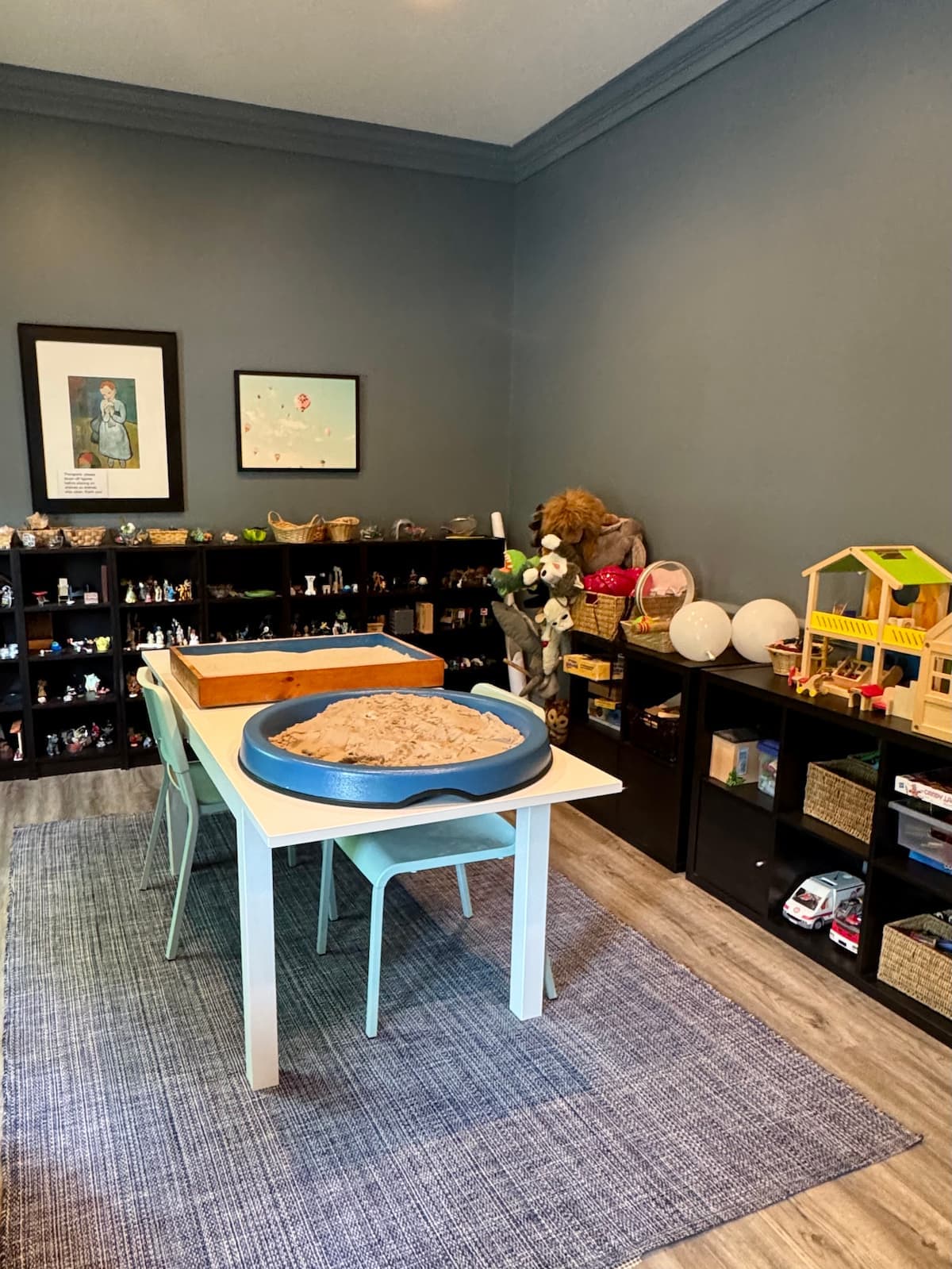
Preparing Your Child for Their First Counseling Session
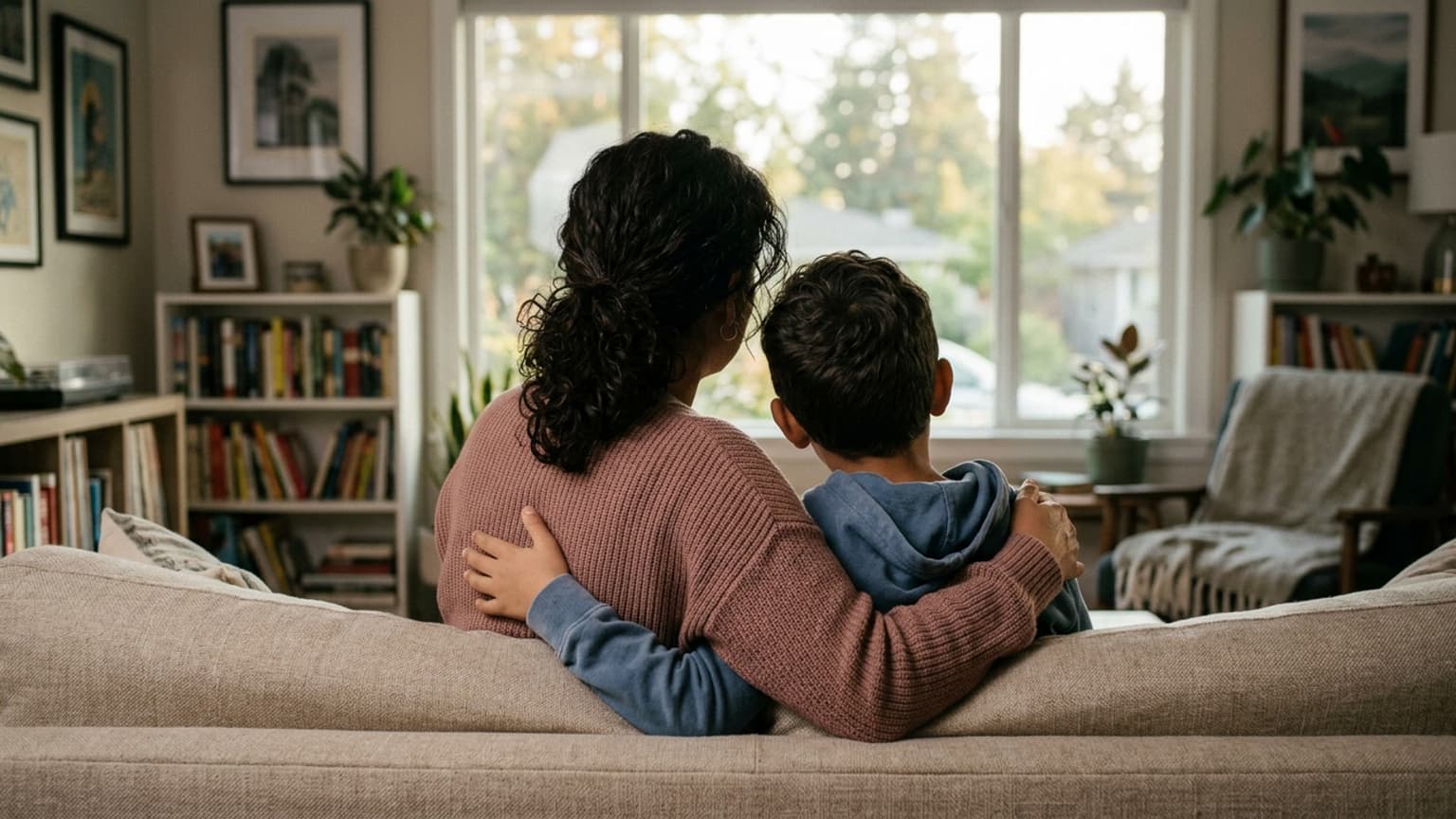
How do you explain therapy to a child who doesn't fully understand what it is—or who might be worried, resistant, or confused about why they're going? The answer depends partly on your child's age and partly on how you frame the conversation. According to the American Academy of Child and Adolescent Psychiatry, parents should communicate at a level appropriate to a child's age and development, have the discussion when the child feels safe and comfortable, and watch for signs of confusion or distress during the conversation. Preparation doesn't guarantee a perfect first session, but it does help children arrive with less fear and more openness to the process.
Most children benefit from knowing what to expect before walking into an unfamiliar office to meet a stranger who will ask them questions. A few thoughtful conversations beforehand can reduce anxiety and set the tone for a positive therapeutic relationship.
Why Does Preparation Matter?
First impressions matter in therapy, just as they do anywhere else. Research on adolescent therapy shows that the quality of the therapeutic relationship established in the first session is associated with treatment outcomes—meaning how safe, understood, and comfortable your child feels early on can influence how well therapy works.
When children don't know what's happening or why they're there, they're more likely to feel defensive, scared, or resistant. If they think therapy is punishment, or that something is fundamentally "wrong" with them, they may shut down before the therapist has a chance to build rapport.
Preparation gives you the opportunity to shape your child's understanding in a way that's accurate, reassuring, and age-appropriate. It signals that therapy is something you support and believe will help—not something to fear or avoid.
How Should You Talk to Your Child About Therapy?
The American Academy of Child and Adolescent Psychiatry offers clear guidance: communicate in a straightforward manner, have the conversation when your child feels safe and comfortable, and slow down or back up if your child becomes confused or looks upset.
For younger children (preschool through early elementary):
Young children need less information and fewer details because of their more limited ability to understand. Preschool-age children focus primarily on things they can see, so concrete descriptions work best.
You might say: "We're going to meet someone who helps kids with big feelings. Her office has toys and art supplies, and you'll get to play while you talk. She's really good at helping kids figure out what to do when they feel worried or upset."
Keep it simple. Don't overexplain the reasons for therapy or dive into diagnostic language. At this age, your child needs to know therapy is a safe place, not why they "need" it in adult terms.
For older children and teens:
Older children may want more specifics and may ask more questions. They're also more likely to feel self-conscious or resistant, particularly if they think therapy means they're "broken" or different from their peers. Share what has been going on that you know your teen would benefit from some support for.
Frame therapy as a resource, not a judgment: "Therapy is a place where you can talk about things that are hard to talk about anywhere else—your feelings, what's going on at school, stuff that's bothering you. The therapist's job is to listen and help you figure out strategies that make things easier."
Emphasize confidentiality for older children and teens. They need to know that what they say stays private unless there's a safety concern. This privacy is what allows them to be honest without worrying that everything will be reported back to you.
What parents should understand first:
Before you talk to your child, make sure you're reasonably comfortable with the subject yourself. The AACAP notes that when parents are knowledgeable and comfortable discussing mental health, children absorb that attitude. If you approach the conversation with anxiety or shame, your child will pick up on it.
Have basic answers ready: What is therapy? Who is it for? What happens in a session? How does it help? You don't need to be an expert, but you do need to convey that therapy is normal, helpful, and nothing to be ashamed of.
What Should You Tell Your Child to Expect in the First Session?
The first session is almost always an intake—a time for the therapist to gather information, get to know your child, and begin building rapport. Very little "treatment" happens in the first visit. Setting realistic expectations helps prevent confusion or disappointment.
For younger children:
"The first time we go, the counselor will probably ask you some questions about yourself—what you like to do, who your friends are, what makes you happy or sad. You might play with toys or draw while you talk. Your job is just to be yourself. It is a time for you and the therapist to get to know each other”.
For older children and teens:
"The first session is mostly about getting to know each other. The therapist will ask about what's been going on, what you're struggling with, and what you'd like help with. It takes a session or two to really get going and know if you're going to be able to talk to the person. That's totally normal."
Let your child know that you'll be involved in some way. For younger children, you might be in the room part of the time or meet with the therapist separately. For teens, parent involvement often looks like periodic check-ins rather than sitting in on every session.
The National Institute of Mental Health emphasizes that effective treatment often includes teaching children skills to practice at home between sessions, family counseling involving relatives, and parental training sessions on managing challenging emotions and behaviors—so therapy isn't something that happens only in the therapist's office.
What If Your Child Resists or Refuses to Go?
Resistance is common, especially for older children and teens who didn't ask for therapy and don't think they need it.
Acknowledge their feelings without backing down: "I know you don't want to go, and I get that this feels uncomfortable. But I've noticed you've been really struggling lately, and I think talking to someone outside the family could help. We're going to try it for a few sessions and see."
Set the expectation that they'll attend, but also give them some control where possible. Let them choose the time of day for the appointment if your schedule allows. Ask if they have a preference for a male or female therapist. Small choices reduce the feeling of powerlessness that often drives resistance.
For younger children who are anxious, a visit to the office beforehand—just to see the space and meet the therapist briefly—can help. Some practices allow a quick tour so the child isn't walking into a completely unfamiliar environment on the first day.
What Should Parents Avoid Saying?
Certain phrases, even when well-intentioned, can increase anxiety or create the wrong impression about therapy.
Don't frame therapy as punishment. Saying "If you don't start behaving, we're going to see a therapist" teaches your child that therapy is a consequence for bad behavior, not a resource for support.
Don't promise the therapist will "fix" them. Therapy isn't about being broken or needing repair. It's about learning skills, processing experiences, and developing healthier patterns.
Don't assign your child an agenda for the session. Telling your child "Make sure you tell the therapist about what happened at school" or "Don't forget to work on your anger" can make them feel like therapy is an extension of your expectations rather than a safe, private space for them. If you have concerns you want the therapist to address, communicate those directly to the therapist—not through your child.
Don't ask for a play-by-play after each session. Just as when you ask children what they did at school and they say "I don't know," asking them to explain their therapy session can feel intrusive. Instead, say something open-ended: "I hope you had a good session today" or "I'm glad you have someone to talk to." If your child wants to share, they will. Forcing it undermines the confidentiality and safety that make therapy effective.
How Involved Should Parents Be?
Parent involvement matters, but the form it takes depends on your child's age and the therapist's approach.
For younger children, therapists often meet regularly with parents to provide feedback, discuss progress, and teach strategies you can use at home. Play therapy, in particular, relies on parent sessions so that therapists and parents can work as a team to address family dynamics and develop parenting strategies.
For adolescents, parent involvement is usually less frequent—periodic check-ins rather than detailed session-by-session reports. Teens need privacy to build trust with their therapist, and that means you won't always know exactly what they're working on.
The National Institute of Mental Health recommends asking prospective therapists directly: "Do you involve parents in the treatment? If so, how are parents involved?" This question clarifies expectations from the beginning and ensures you understand your role in your child's care.
If you need more information or have concerns about your child's progress, ask the therapist. They want to include you and want to understand your needs regarding frequency of feedback.
What Questions Should You Ask Before the First Appointment?
Before your child's first session, gather information that will help you feel confident in the therapist and the process. Important questions include:
- Does the therapist have experience working with your child's age group and specific concerns?
- What type of therapy will they use, and is it evidence-based for your child's needs?
- How will progress be measured?
- How often will you meet with the therapist to discuss your child's treatment?
- What is the expected time frame or number of sessions?
- What should you do if your child refuses to go or doesn't seem to connect with the therapist?
It's also useful to ask how the therapist handles confidentiality with children and what situations would require them to share information with you—typically safety concerns like self-harm, suicidal thoughts, or abuse.
What Should You Bring to the First Session?
If your child has had previous evaluations, diagnoses, or therapy, bring any relevant records or reports.
It's also helpful to come prepared with information about:
- Recent changes in your child's behavior, mood, or functioning
- Family history of mental health conditions, if relevant
- Current stressors at home, school, or with peers
- Any medications your child is taking
- Input from teachers, coaches, or other adults who interact regularly with your child
If your child's pediatrician referred you, they may have already shared some of this information, but having it on hand ensures nothing important is missed.
What If the First Session Doesn't Go Well?
A rough first session doesn't mean therapy won't work—it means your child is human, and new situations are hard.
Some children clam up and refuse to talk. Others are defiant or silly. Some cry or ask to leave. All of this is normal, and experienced child therapists know how to work with resistance.
Give it time. It takes a session or two to really get going and to know if your child is going to be able to talk to the therapist and whether the therapist understands your child's needs. If after three or four sessions there's still no progress or your child is consistently miserable about going, it's worth reassessing.
Sometimes the issue isn't therapy itself—it's fit. Not every therapist is the right match for every child. If your gut tells you the relationship isn't working, trust that instinct and look for a different provider. Finding the right fit matters more than sticking with the first person you see.
When Should You Seek Help Immediately?
Some situations require urgent intervention rather than a standard first appointment scheduled weeks out.
Seek immediate professional help if your child:
- Talks about wanting to hurt themselves or others
- Engages in self-harm behaviors
- Shows signs of planning suicide—giving away possessions, saying goodbye to friends, researching methods
- Has sudden, dramatic personality changes
- Experiences hallucinations or delusions
If your child is in immediate crisis, call or text the 988 Suicide & Crisis Lifeline at 988, available 24/7. For life-threatening emergencies, call 911 or go to your nearest emergency room.
The Bottom Line
Preparing your child for their first counseling session doesn't require a scripted speech or perfect answers to every question. It requires honesty, reassurance, and an age-appropriate explanation of what therapy is and why it might help.
Frame therapy as a resource, not a punishment. Give your child some sense of what to expect without overwhelming them with details. Let them know you'll be involved in a way that feels supportive, not intrusive. And trust that an experienced therapist knows how to work with children who are nervous, resistant, or unsure.
Getting your child to therapy is an act of care, even when it feels hard. You're giving them access to tools, support, and a safe space to work through whatever they're facing—and that matters more than whether the first session goes perfectly.
Child and Teen Counseling in Alpharetta, GA
If you're preparing your child for their first counseling session and want support from therapists experienced in working with children and families, Andrew McConaghie, LCSW and Tracy McConaghie, LCSW, RPT/S and their team at McConaghie Counseling serve children, teens, and families in Alpharetta, GA. We offer in-person therapy and telehealth appointments throughout Georgia. Contact us at 770-645-8933 or visit mcconaghiecounseling.com/contact to schedule.
References
American Academy of Child and Adolescent Psychiatry. Talking To Kids About Mental Illnesses. https://www.aacap.org/AACAP/Families_and_Youth/Facts_for_Families/FFF-Guide/Talking-To-Kids-About-Mental-Illnesses-084.aspx
National Institute of Mental Health. (2024). Children and Mental Health: Is This Just a Stage? https://www.nimh.nih.gov/health/publications/children-and-mental-health
Centers for Disease Control and Prevention. Treating Children's Mental Health with Therapy. https://www.cdc.gov/children-mental-health/treatment/index.html