What Is a Marriage Counselor? Understanding Your Options

What is a marriage counselor? A marriage counselor—also called a marriage and family therapist or couples therapist—is a licensed mental health professional trained in psychotherapy and family systems, specifically focused on helping couples and families improve their relationships and resolve conflicts. Unlike therapists who primarily treat individuals, marriage counselors are trained to understand symptoms and diagnoses within the context of interactions and relationships.
If you're considering couples therapy but aren't sure what to expect, understanding what marriage counselors do, how they're trained, and when to seek their help can make the decision clearer.
What Do Marriage Counselors Do?
Marriage counselors help couples identify patterns in their relationship that create conflict or distance, then teach practical skills to improve communication, manage disagreements, and rebuild connection. According to the American Association for Marriage and Family Therapy (AAMFT), marriage and family therapists treat a wide range of clinical problems including depression, marital problems, anxiety, individual psychological problems, and child-parent problems—always through the lens of how these issues affect and are affected by relationships.
The unique feature of treatment with a marriage counselor is that the therapist focuses on understanding your symptoms within interactions and relationships rather than treating you as isolated individuals. Even if one partner struggles with depression or anxiety, the marriage counselor considers how those symptoms interact with the relationship dynamic and how relationship changes might support individual healing.
During sessions, marriage counselors typically:
-
Assess relationship patterns and conflicts. The therapist observes how you and your partner communicate, how you handle disagreements, and where you get stuck in unproductive cycles.
-
Identify underlying emotional needs. Many conflicts stem from unmet needs for connection, respect, or security. The counselor helps you recognize what's driving the conflict beneath the surface issue.
-
Teach communication and conflict resolution skills. Marriage counselors provide specific tools for expressing needs clearly, listening without defensiveness, and repairing after arguments.
-
Address specific challenges. Whether you're dealing with infidelity, parenting disagreements, sexual concerns, or contemplating divorce, marriage counselors bring specialized training to these issues.
-
Provide homework and practice assignments. Between sessions, couples practice new skills at home, gradually changing patterns outside the therapy room.
What Credentials Do Marriage Counselors Have?
Marriage counselors hold various professional licenses depending on their training and the state where they practice. The most common credentials include:
Licensed Marriage and Family Therapist (LMFT). LMFTs graduate from accredited programs with at least a master's degree in marriage and family therapy or a related subject with equivalent coursework. According to AAMFT state licensing requirements, LMFTs must complete extensive post-graduate supervised clinical experience—typically 3,000 hours of supervised practice, with significant time spent working directly with couples and families. They must also pass a national licensing exam.
Licensed Professional Counselor (LPC). LPCs hold master's degrees in counseling or a related field and complete supervised clinical hours before licensure. Many LPCs pursue additional specialized training in couples therapy even though their graduate programs may not have focused exclusively on relationship work.
Licensed Clinical Social Worker (LCSW). LCSWs earn master's degrees in social work and complete supervised clinical hours. Like LPCs, some LCSWs develop couples therapy expertise through post-graduate training and practice.
Psychologist (PhD or PsyD). Some psychologists specialize in couples therapy, particularly those trained in specific evidence-based approaches like Emotionally Focused Therapy or Cognitive-Behavioral Couple Therapy.
Requirements vary significantly by state. For example, Texas requires LMFTs to complete at least 3,000 hours of board-approved supervised practice with 750 hours specifically with couples or families, while Virginia requires a 3,400-hour residency with 2,000 hours of clinical marriage and family services (AAMFT state resources).
How Is a Marriage Counselor Different from Other Therapists?
The primary difference is training and focus. Marriage counselors are specifically trained to view problems through a relational lens. According to AAMFT's explanation of how marriage and family therapists differ, while other mental health professionals may occasionally see couples, marriage and family therapists are trained from the beginning to think systemically—understanding that changes in one part of a system affect all other parts.
An individual therapist might help you understand your feelings about your marriage and process your own needs. A marriage counselor does that while simultaneously helping your partner do the same and teaching both of you to communicate those needs in ways the other can hear.
Marriage counselors also treat both partners together in most sessions. While couples therapy may include some individual sessions—particularly at the beginning—most of the course of therapy is provided to both partners together, with the relationship itself as the "client."
Does Marriage Counseling Actually Work?
Research consistently demonstrates that marriage counseling produces measurable improvements in relationship satisfaction and functioning. A 2024 review of empirically supported couple therapy models found that couple therapy yields clinically significant improvements in relationship satisfaction and stability for around 60-70% of distressed couples.
Different therapeutic approaches show strong evidence:
-
Emotionally Focused Couple Therapy (EFCT) helps couples understand the emotional bonds between them and break negative interaction patterns. Research shows it effectively reduces depressive symptoms and improves emotional connection.
-
Cognitive-Behavioral Couple Therapy (CBCT) teaches couples to identify unhelpful thought patterns and develop more effective communication and problem-solving skills. A 2025 study found significant decreases in desire for divorce following CBCT interventions.
-
The Gottman Method uses research-based assessment and intervention strategies to improve friendship, manage conflict, and create shared meaning. This approach has demonstrated effectiveness across diverse populations.
These findings matter because they demonstrate that marriage counseling isn't just emotionally supportive conversation—it produces real, measurable changes in how couples function together.
How Long Does Marriage Counseling Take?
According to AAMFT, marriage and family therapists regularly practice short-term therapy, with 12 sessions on average. Nearly 65.6% of cases are completed within 20 sessions, and 87.9% within 50 sessions.
Recent 2026 naturalistic settings research found that the average couple therapy treatment length is 11.50 sessions in the United States. However, duration varies significantly based on the severity of relationship distress, whether there are specific traumas to process (like infidelity), and the goals you and your partner set.
Some couples attend weekly sessions initially, then transition to every other week or monthly sessions as they make progress. Others complete a focused short-term intervention—such as premarital counseling or discernment counseling when one partner is uncertain about the relationship—in fewer sessions.
The therapist should be able to give you a general timeline during your initial consultation, though that timeline may adjust as therapy progresses. If you're not seeing any progress after several months, it's worth discussing with your therapist whether a different approach or a different therapist might be more effective.
When Should You See a Marriage Counselor?
You don't need to wait until your relationship is in crisis to see a marriage counselor. Common reasons couples seek marriage counseling include:
Communication has broken down. If conversations regularly escalate into arguments, one or both partners has stopped trying to discuss important topics, or you feel like roommates instead of partners, a marriage counselor can help.
You're stuck in the same conflicts. When the same issues surface repeatedly without resolution—money, parenting, household responsibilities, intimacy—a counselor can help you identify the underlying patterns and break the cycle.
Trust has been damaged. Infidelity, lies, or other betrayals create wounds that are difficult to heal without professional support. Marriage counselors trained in affair recovery or trust rebuilding can guide the process.
You're considering separation or divorce. If one or both of you is uncertain about whether to stay together, a marriage counselor can help you make a thoughtful decision. Discernment counseling specifically supports couples when one partner wants to work on the marriage while the other is leaning toward divorce.
A major life transition is straining your relationship. Having children, empty nest, career changes, relocation, or caring for aging parents can create stress that affects your relationship. Marriage counseling provides tools for navigating transitions together.
Preventive support. Premarital counseling helps couples establish healthy communication patterns and address potential areas of conflict before marriage. Some couples also seek periodic "relationship tune-ups" even when things are going well.
If you're wondering whether your relationship needs help, that question itself may be the answer. If you're noticing patterns that concern you—even if things haven't reached crisis level—reaching out for a consultation costs nothing but time. For guidance on how to choose the right therapist for your relationship, that article covers questions to ask and what to look for during your search.
What Should You Look For in a Marriage Counselor?
Finding the right marriage counselor matters as much as the decision to seek help. Consider these factors:
Specialized training and experience. Ask potential therapists what percentage of their practice involves couples work and what specific training they've completed beyond graduate school. Experience matters—a therapist who sees mostly individual clients and occasionally works with couples brings different expertise than one whose practice focuses primarily on relationships.
Evidence-based approach. Look for therapists trained in approaches with research support: Emotionally Focused Therapy, the Gottman Method, Integrative Behavioral Couple Therapy, or Cognitive-Behavioral Couple Therapy. The therapist should be able to explain their approach and why it works.
Fit and comfort. Both partners need to feel the therapist is balanced and fair. If one partner feels the therapist sides with the other or dismisses their concerns, therapy won't be effective. Most therapists offer an initial consultation where you can assess whether the fit feels right.
Practical considerations. Confirm the therapist's availability, fees, insurance acceptance, and whether they offer in-person, telehealth, or both. Logistical barriers can prevent you from following through with treatment, so address them upfront.
The therapeutic relationship itself predicts success as much as the specific techniques used. If something feels off after a few sessions, it's worth discussing your concerns with the therapist or considering whether a different counselor might be a better match.
Marriage Counseling in Alpharetta, GA
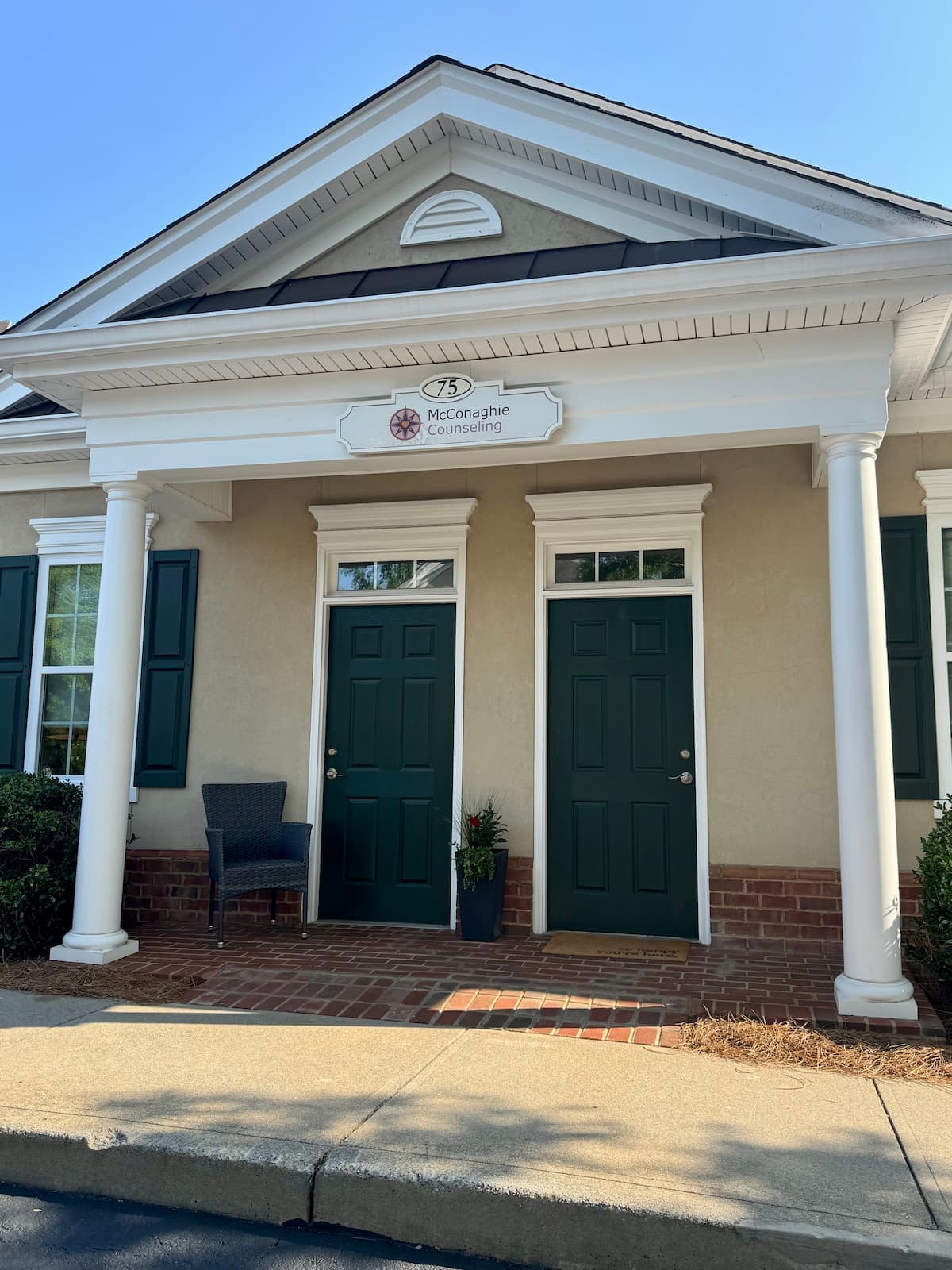
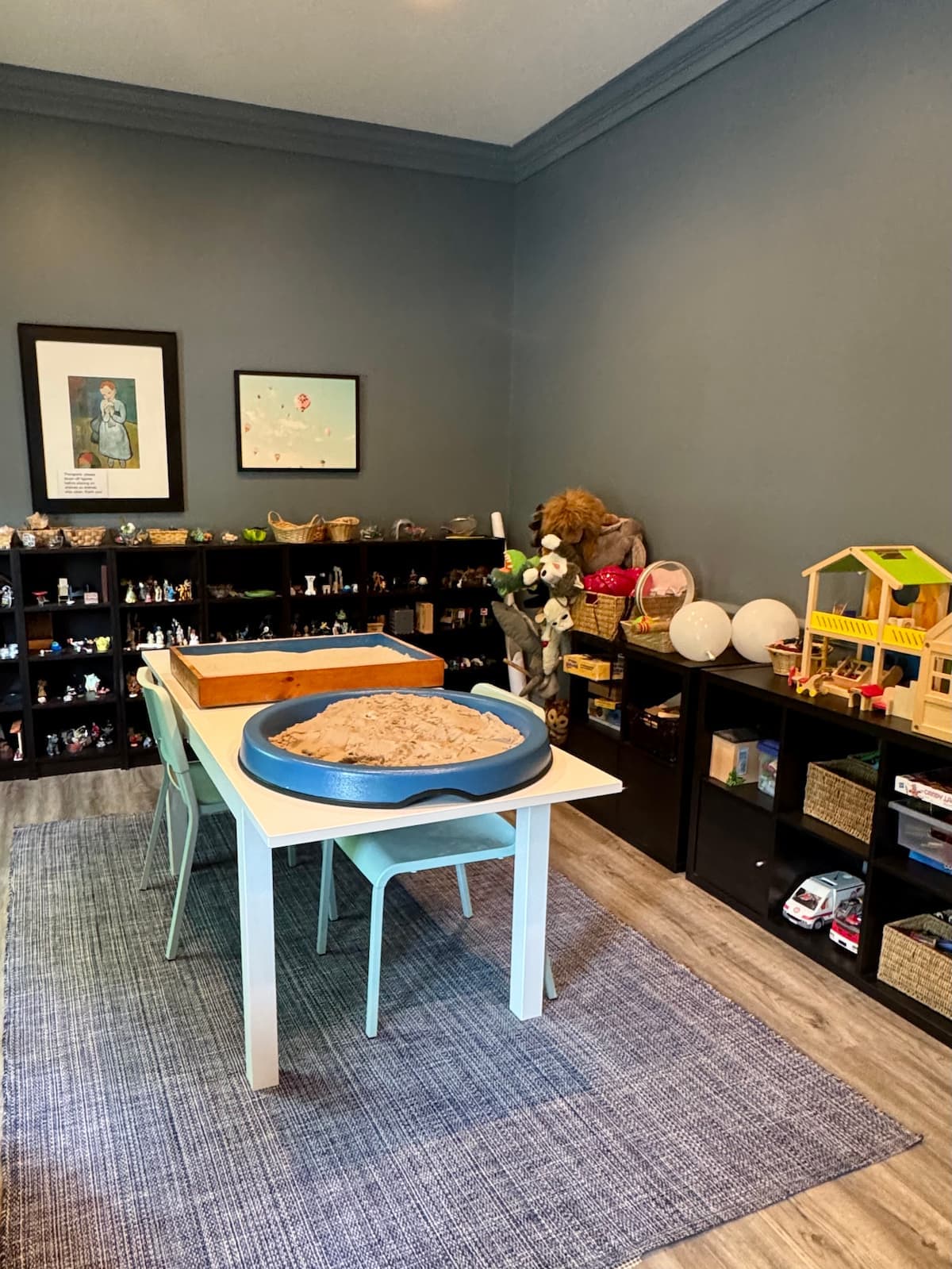
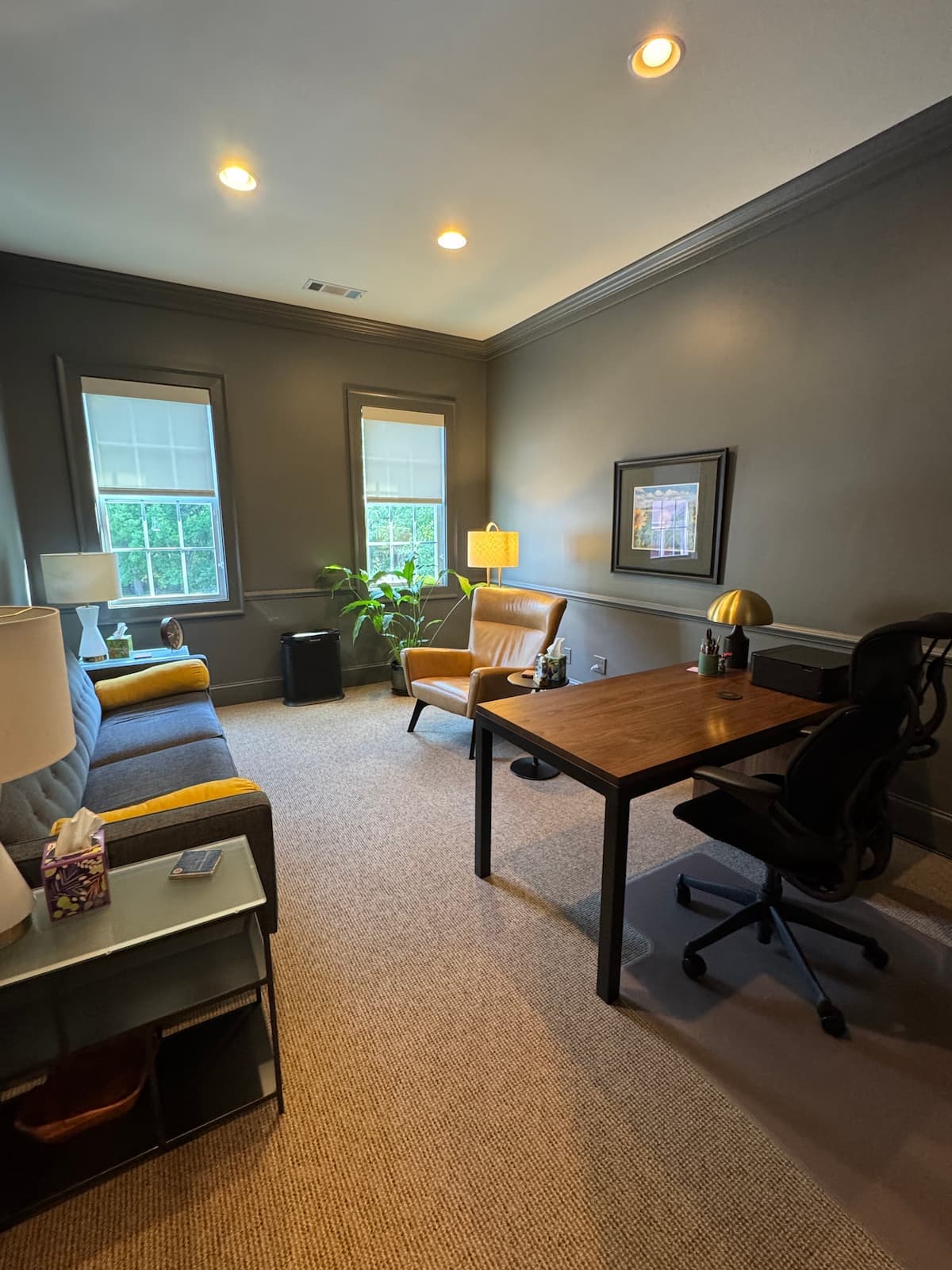
If you're considering marriage counseling and want to understand whether it's the right step for your relationship, reaching out for a consultation can provide clarity. Andrew McConaghie, LCSW and Tracy McConaghie, LCSW, RPT/S and their team at McConaghie Counseling work with couples in Alpharetta, GA, offering both in-person therapy and telehealth appointments throughout Georgia. We provide straightforward, nonjudgmental guidance focused on real solutions. Contact us at 770-645-8933 or visit mcconaghiecounseling.com/contact to schedule.
References
American Association for Marriage and Family Therapy. (n.d.). Marriage and Family Therapists. https://www.aamft.org/AAMFT/Consumer_Updates/MFT.aspx
American Association for Marriage and Family Therapy. (n.d.). About Marriage and Family Therapists. https://www.aamft.org/AAMFT/About_AAMFT/About_Marriage_and_Family_Therapists.aspx
American Association for Marriage and Family Therapy. (n.d.). How Marriage and Family Therapists are Different Than Other Mental Health Professionals. https://blog.aamft.org/2017/05/how-marriage-and-family-therapists-are-different-than-other-mental-health-professionals.html
American Association for Marriage and Family Therapy. (n.d.). State Resources: Texas. https://www.aamft.org/Advocacy/State_Resources/Texas.aspx
American Association for Marriage and Family Therapy. (n.d.). State Resources: Virginia. https://www.aamft.org/AAMFT/Advocacy/State_Resources/Virginia.aspx
American Psychological Association. (n.d.). Couples therapy. In APA Dictionary of Psychology. https://dictionary.apa.org/couples-therapy
Baucom, D. H., Fischer, M. S., Worrell, M., Corrie, S., Belus, J. M., Molyva, E., & Boeding, S. (2024). Empirically Supported Couple Therapy Models for Couple Relationship Distress: A Replication and Update. Family Process. https://pmc.ncbi.nlm.nih.gov/articles/PMC13474905/
Rahimi Pordanjani, T., & Oraki, M. (2025). Comparing the effectiveness of group-based Cognitive-Behavioral Couple Therapy (CBCT) and Schema-Based Couple Therapy (SBCT) workshops in reducing desire for divorce and marital boredom. Frontiers in Psychology, 16. https://www.ncbi.nlm.nih.gov/pmc/articles/PMC12228259/
Jeminiwa, R. N., Naslund, J. A., Aschbrenner, K. A., Xiao, S., Chen, R., Banning, L. B. D., ... & Dixon, L. B. (2026). Does Depression and Relationship Distress Predict Longer Couple Therapy Treatment in Naturalistic Settings? Journal of Marital and Family Therapy. https://pmc.ncbi.nlm.nih.gov/articles/PMC13409356/
Wood, N. D., Crane, D. R., Schaalje, G. B., & Law, D. D. (2005). The impact of discernment counseling on individuals who decide to divorce: experiences of post-divorce communication and coparenting. Journal of Marital and Family Therapy, 47(1), 226-240. https://pmc.ncbi.nlm.nih.gov/articles/PMC7894569/